欢迎来到Shenzhen Riqiya Electromechanical Co., Ltd.官网!





|
|
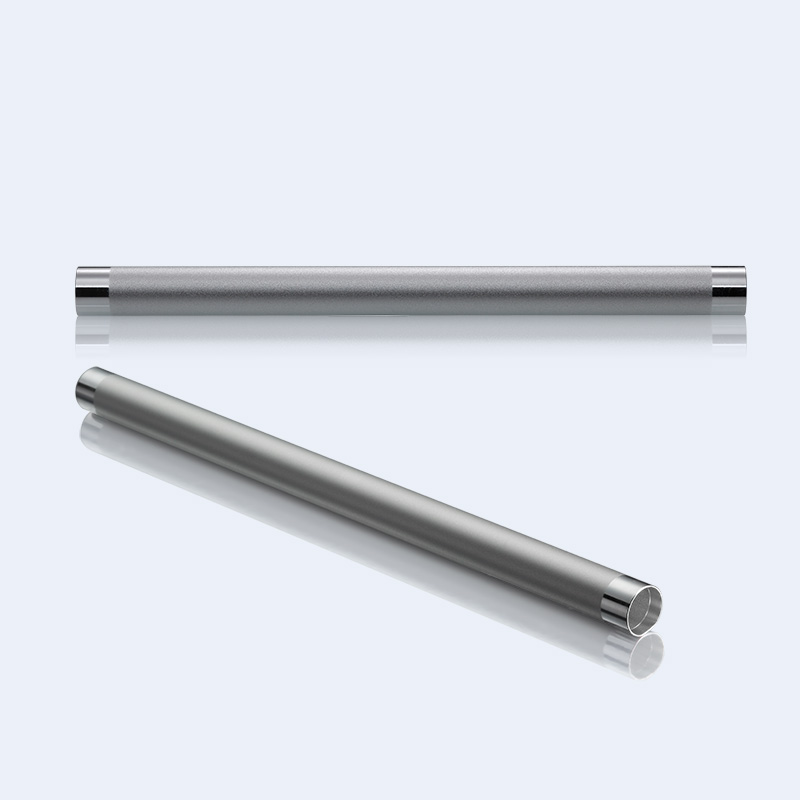
Corrosion resistance and corresponding uses of precision stainless steel pipes
Corrosion resistance: general resistance to intergranular corrosion and excellent corrosion resistance, to alkali Solutions and most organic and inorganic acids also have a certain degree of corrosion resistance. The precision stainless steel pipes supplied are tested for corrosion resistance according to the standard or the corrosion method agreed by both parties. There should be no intergranular corrosion tendency.
Process performance inspection: precision stainless steel pipes can be flattened test. Tensile test. Flaring test. Hardness test. Metallographic test. Non-destructive testing (including eddy current testing and ultrasonic test).
Product use
Precision stainless steel pipes are used for acid pipes, chemical equipment, heat exchanger pipes, and other fresh water Contact processing equipment, etc., 304 stainless steel has been very successfully used in fresh water with low chloride ion content. Generally speaking, especially when there are gaps, the limit of 304 stainless steel is 100ppm of chloride. High levels of chloride may cause crevice corrosion and pitting corrosion. Under more severe conditions, such as low pH or high temperature, the use of precision stainless steel pipes with higher molybdenum content, such as 316. 304 at 427—816°C, is easy to be exposed to harsh environments. Formation of intergranular corrosion.